GPT-5.2 for Developers: Faster Agentic Workflows, Better Benchmarks, and Real-World Examples
업데이트됨 2025년 12월 11일
GPT-5.2 developer release overview
GPT-5.2 is out, with improvements to reasoning, long context, tool use, and vision. It is rolling out in ChatGPT (paid plans first) and is live in the API as gpt-5.2, gpt-5.2-chat-latest, and gpt-5.2-pro.
Why GPT-5.2 Matters for Developers
If you’re building AI features that have to ship reliably (code transforms, spreadsheet generation, slide creation, or multi-step agents), 5.2 looks like a solid step forward. GPT-5.2 Thinking beats or ties top industry professionals on 70.9% of GDPval tasks, with outputs produced at over 11x the speed and under 1% of the cost of human experts (under oversight). Heavy ChatGPT Enterprise users reportedly save 40 to 60 minutes a day.
Three Model Tiers: Instant, Thinking, Pro
- GPT-5.2 Instant: Fast, warm conversational tone, stronger info-seeking and walkthroughs. Good for low-latency UIs.
- GPT-5.2 Thinking: Higher-quality reasoning for coding, long docs, structured outputs, and step-by-step planning.
- GPT-5.2 Pro: Highest-quality option for difficult questions; now supports the new
xhighreasoning effort for premium accuracy.
Performance Highlights and Benchmarks
Key published numbers from the launch:
| Area | GPT-5.2 Thinking | GPT-5.1 Thinking |
|---|---|---|
| GDPval (wins or ties) | 70.9% | 38.8% (GPT-5) |
| SWE-Bench Pro (public) | 55.6% | 50.8% |
| SWE-bench Verified | 80.0% | 76.3% |
| GPQA Diamond (no tools) | 92.4% | 88.1% |
| ARC-AGI-1 (Verified) | 86.2% | 72.8% |
| ARC-AGI-2 (Verified) | 52.9% | 17.6% |
Other callouts:
- Hallucinations down ~30% on de-identified ChatGPT queries versus GPT-5.1.
- AIME 2025: 100% (no tools). FrontierMath Tier 1 to 3: 40.3%.
- CharXiv reasoning w/ Python: 88.7% (vision + code).
What’s New for Coding Workflows
- Front-end & 3D: Early testers saw stronger front-end and unconventional UI work (even 3D-heavy prompts).
- Debugging & refactors: More reliable cross-file fixes and feature work with fewer manual retries.
- SWE-Bench gains: 55.6% on SWE-Bench Pro and 80.0% on SWE-bench Verified mean higher odds of end-to-end patch success.
- Lower error rate: 30% relative reduction in erroneous answers reduces time spent validating model output.
GPT-5.2 is also better at front-end software engineering. Early testers found it noticeably better at complex UI work, especially 3D elements. Here are examples of what it can produce from a single prompt:
Long-Context and Vision Upgrades
- Long context: Near 100% accuracy on 4-needle MRCR variant out to 256k tokens, plus strong scores across 8-needle MRCR tiers. Pair with the
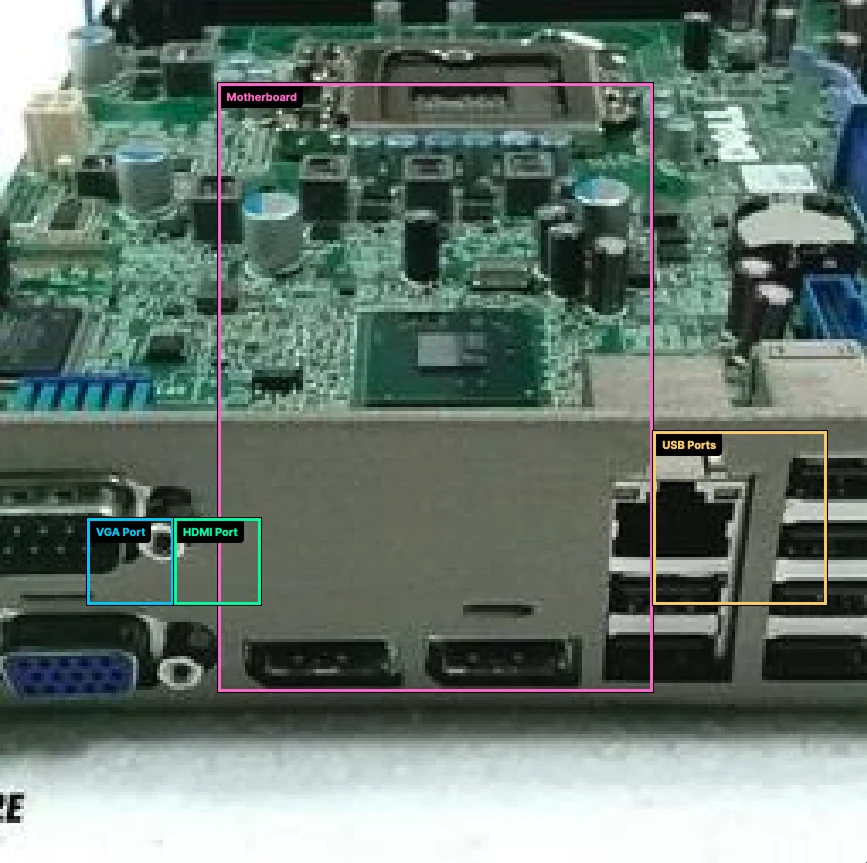
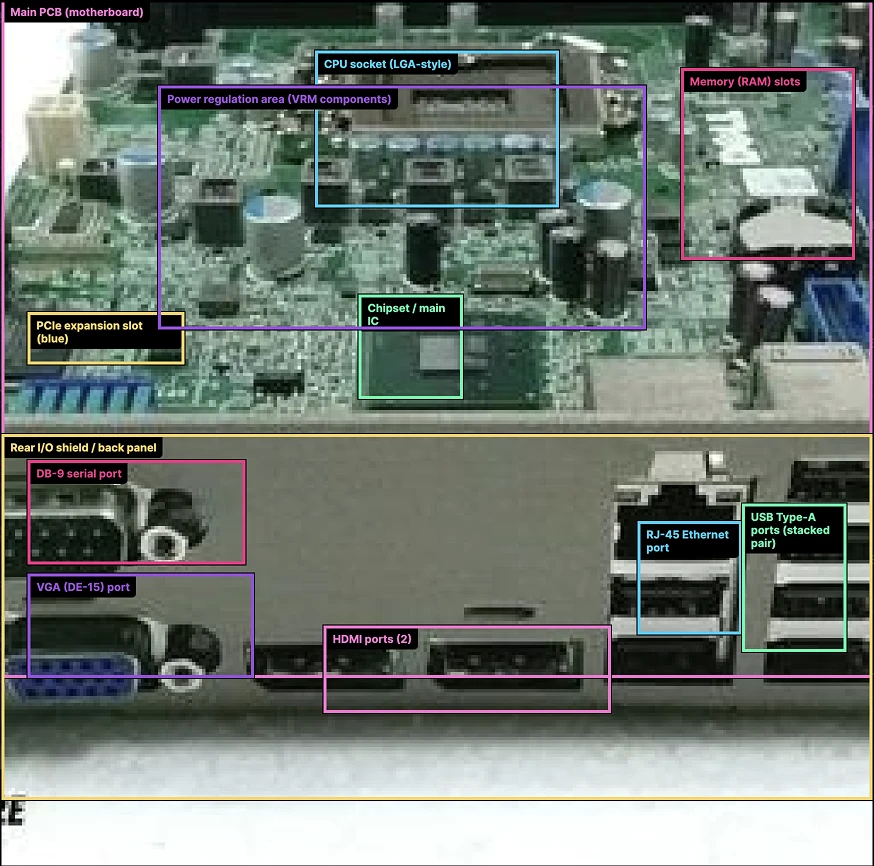
/compactendpoint to push beyond the native window for tool-heavy, long-running flows. - Vision: Error rates roughly halved for chart reasoning and software interface understanding. Better spatial grounding for layout-heavy tasks like dashboards and diagrams.
Motherboard component labeling example:
Tool Use and Agentic Workflows
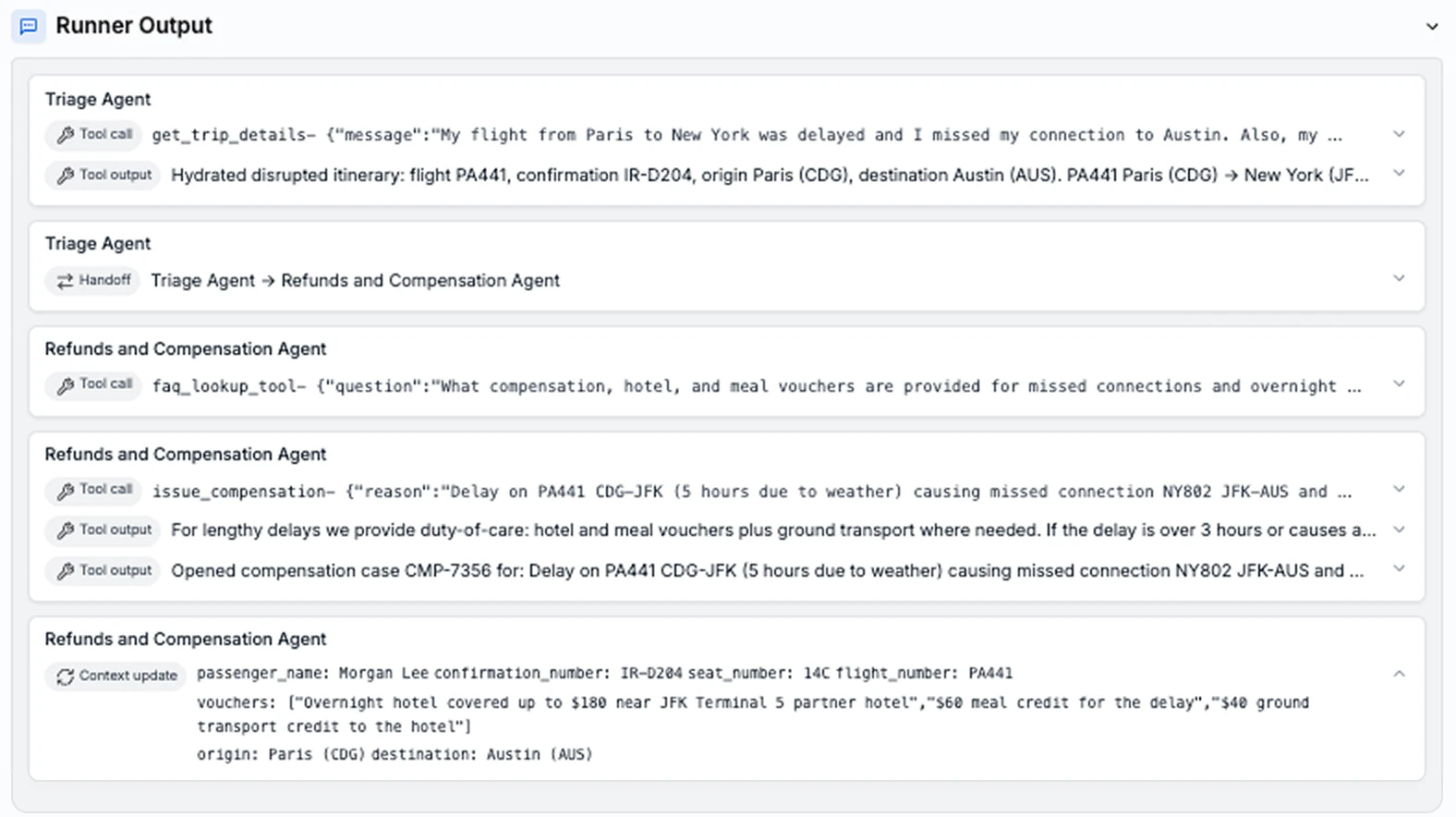
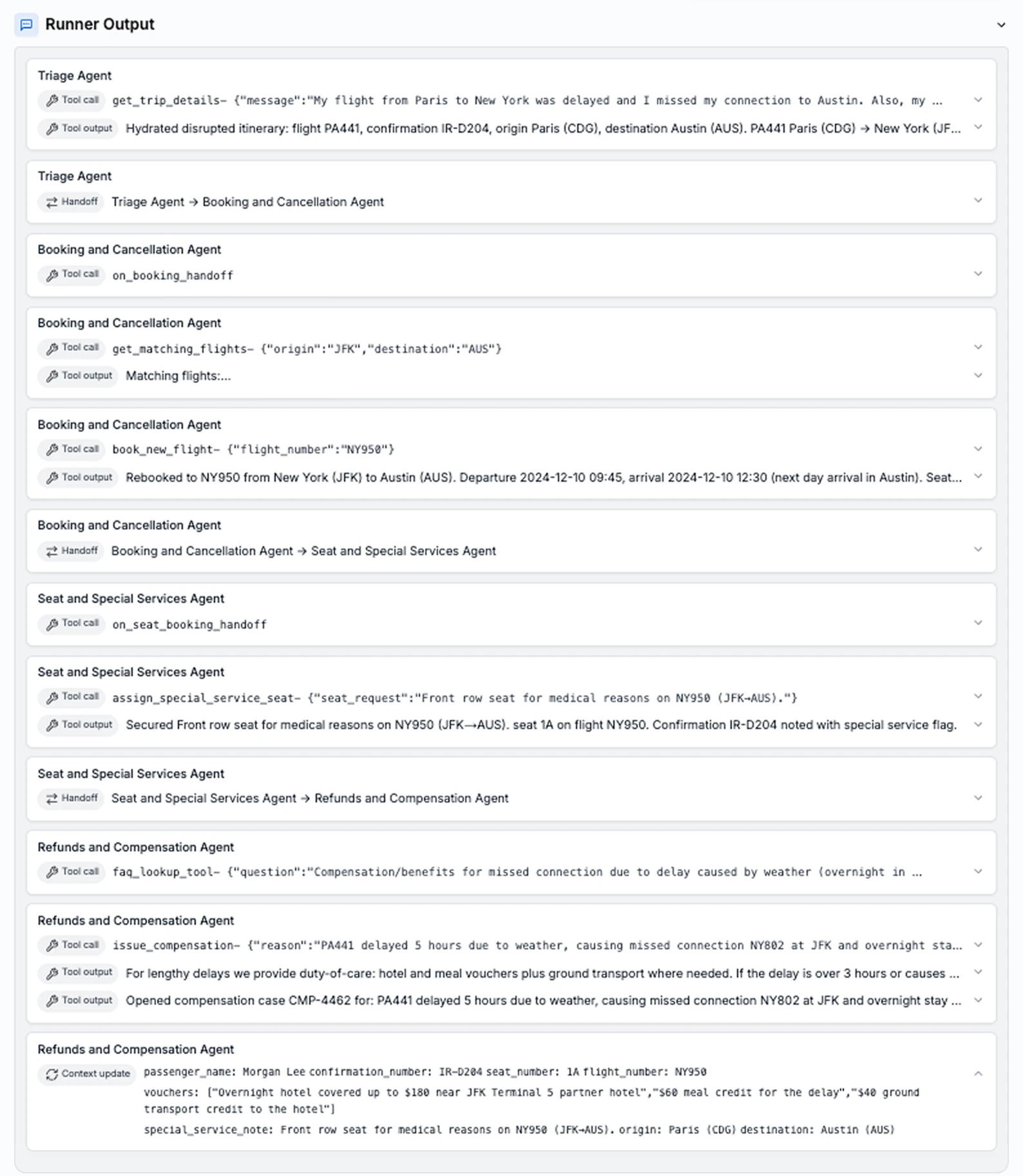
- Tau2-bench Telecom: 98.7%. A new state of the art for multi-turn tool reliability.
- Latency-sensitive flows: Better reasoning at lower effort settings, so you can stay responsive without dropping accuracy as sharply as 5.1.
- Customer service orchestration: Handles multi-agent, multi-step cases with better coverage across the chain of tasks.
Travel rebooking tool-calling example:
Safety Updates Developers Should Note
- Builds on the safe-completions work from GPT-5, with stronger handling of sensitive prompts (mental health, self-harm, emotional reliance).
- Early rollout of an age-prediction model to auto-apply protections for users under 18.
- Work continues to reduce over-refusals while preserving stricter guardrails.
Availability, Pricing, and SKUs
- ChatGPT: Rolling out to paid plans (Plus, Pro, Go, Business, Enterprise). GPT-5.1 remains for three months under legacy models before sunsetting in ChatGPT.
- API:
gpt-5.2(Thinking) in Responses API and Chat Completions.gpt-5.2-chat-latest(Instant) in Chat Completions.gpt-5.2-proin Responses API.
- Pricing:
gpt-5.2is $1.75 / 1M input tokens, $14 / 1M output tokens, 90% discount on cached inputs. GPT-5.2-pro uses premium pricing ($21 to $168 per 1M tokens depending on effort). Still below other frontier-model pricing according to the launch post. - Deprecation: No current plans to deprecate GPT-5.1, GPT-5, or GPT-4.1 in the API; advance notice promised before any change.
Quickstart: Calling GPT-5.2 via API
import OpenAI from "openai";

const client = new OpenAI({ apiKey: process.env.OPENAI_API_KEY });

async function summarizeSpec(spec: string) {
    const response = await client.responses.create({
        model: "gpt-5.2", // use gpt-5.2-pro for premium reasoning
        reasoning: { effort: "high" }, // set to "xhigh" for the best quality on Pro
        input: [
            {
                role: "user",
                content: [
                    {
                        type: "text",
                        text: "Summarize this product spec for engineers and list risks:",
                    },
                    { type: "text", text: spec },
                ],
            },
        ],
        max_output_tokens: 500,
        temperature: 0.2,
    });

    return response.output[0].content[0].text;
}
Developer tips:
- Use the Responses API for tool-heavy or long-form work; Chat Completions works for lighter chat UIs.
- Start with
effort: "medium"or"high"for Thinking; switch to Pro +xhighfor high-stakes outputs. - Cache common system prompts or reference docs to exploit the 90% cached input discount.
When to Choose 5.2 vs 5.1
- Choose GPT-5.2 when you need higher tool reliability, deep context, better front-end/codegen, or lower hallucination rates.
- Stay on GPT-5.1 if latency and cost dominate and your tasks are already passing reliably (or during phased rollouts).
- Move critical, long-context, or vision-heavy features first; keep a gradual fallback to 5.1 during burn-in.
Developer Checklist
- Benchmark your key prompts on
gpt-5.2vsgpt-5.1for latency, quality, and token costs. - Turn on cached inputs for shared system prompts and long reference context.
- Use Thinking for agent/tool flows; test Pro + xhigh on your highest-risk workflows.
- Add vision tests if you parse dashboards, interfaces, or diagrams. The model is notably better at layout reasoning.
- Roll out behind flags with per-route fallbacks to 5.1 until you observe stability in production.
- Update content safety handling to align with the new responses in sensitive scenarios.